Sitios España – Portal de Noticias y medios españoles Noticias de españa y del mundo.
Toolkit to Prevent Bullying and Cyberbullying Launched in Latin America and the Caribbean
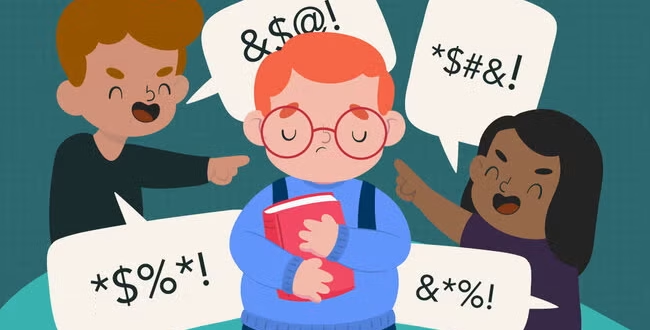
A new resource has been launched by the Pan American Health Organization (PAHO) to address the issue of bullying and cyberbullying affecting children and adolescents in the Americas.
Washington, D.C., August 17, 2026 (PAHO) – PAHO released the toolkit What Works to Prevent Bullying and Cyberbullying of Children and Adolescents in the Americas to provide evidence-based interventions and practical tools to tackle the prevalence of bullying and cyberbullying among young people in the Region.
The Impact of Bullying and Cyberbullying
Recent data shows that approximately one in four adolescents aged 13 to 17 in Latin America and the Caribbean have experienced bullying at school, with varying levels of prevalence across different countries and subregions. The toolkit emphasizes the toll that bullying takes on the physical, mental, and emotional health of children and adolescents, as well as the importance of early identification and support from health services.
Tackling Cyberbullying in the Digital Age
With the rise of digital technologies, cyberbullying has become a significant concern, affecting a percentage of young people in the Region. Unlike traditional bullying, cyberbullying can occur at any time and reach a larger audience, posing challenges in identifying and addressing this form of violence. The toolkit highlights the need for a comprehensive approach that involves health services, education, and social protection sectors to combat digital violence.
Promoting Health and Well-Being
Bullying and cyberbullying are major determinants of the health and well-being of children and adolescents, often leading to increased risks of mental health issues, social isolation, and negative impacts on educational achievement. Recognizing the signs of bullying and acting early are crucial steps in preventing lifelong consequences for young people.
Health services play a key role in identifying warning signs, providing initial support, and referring affected children and adolescents to specialized services when needed. Collaboration between different sectors and stakeholders is essential in developing evidence-based responses to violence.
The toolkit also emphasizes the importance of involving young people in the prevention of bullying and cyberbullying, promoting social and emotional skills, and maintaining open communication with parents and caregivers. By working together, communities can create a safe and supportive environment for children and adolescents.
PAHO’s publication is part of ongoing efforts to address violence against children and adolescents, with a focus on breaking the cycle of violence through evidence-based tools.