Sitios España – Portal de Noticias y medios españoles Noticias de españa y del mundo.
Revolutionary Exoskeleton Allows Children with Disabilities to Explore the World
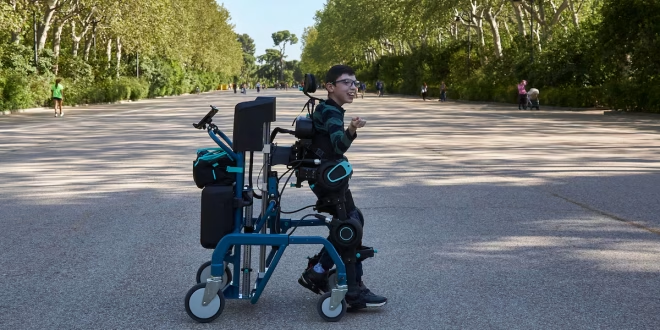
Minerva, Diego, Rocío, Álex, Ainhoa, Alejandro, Jorge, Kilian, and Violeta can finally say goodbye to their wheelchairs and embrace the freedom to go to school, the park, or play with their friends. These nine children, who have some form of disability, spinal cord injury, or neuromotor disorder that hinders their ability to walk, have been testing out the world’s first pediatric exoskeleton called Explorer MB. Developed by Spanish scientists, this groundbreaking invention has just received approval from the European Medicines Agency (EMA) for commercialization, allowing these children to bring it home with them.
Empowering Mobility Beyond Rehabilitation
According to Elena García Armada, founder of Marsi Bionics, the company behind the exoskeleton, «They used to go to rehabilitation for an hour, twice a week. Explorer will enable them to go much further.» Over the years, dozens of children in Spain and beyond who are unable to walk have been undergoing therapy in ATLAS 2030, a precursor to Explorer. Designed for children with motor disabilities due to various reasons, this technological marvel not only helps them walk but also socialize, interact, and boost their self-esteem, providing a sense of empowerment and normalcy.
A Stride Towards Independence
After four years of meticulous design involving scientists and engineers from Marsi Bionics, the CSIC, and prominent hospitals in Madrid, the children will now test the Explorer’s endurance capabilities by visiting Faunia, an animal park on the outskirts of Madrid. This marks the exoskeleton’s official debut and a significant step towards enhancing the quality of life for these children through increased mobility and freedom.

Personalized Growth and Transformation
One of the key features of Explorer is its ability to accommodate children as young as two years old and adapt to their physical growth until approximately 17 years of age. Equipped with four motors that replicate the natural functioning of limb muscles, this exoskeleton offers two modes of operation, providing vital support and mobility throughout the day.

Health Benefits Beyond Mobility
Studies have shown that the use of exoskeletons like Explorer not only enhances physical strength but also prevents orthopedic deformities and promotes gastrointestinal health. The overall impact on the well-being and cognitive abilities of these children is profound, emphasizing the therapeutic benefits of mobility.
A Priceless Investment in Happiness
While the approximate cost of acquiring Explorer is similar to that of a high-end car, efforts are being made to reduce expenses and make it accessible to all. Marsi Bionics is collaborating with financial institutions and crowdfunding platforms to facilitate financing options for families. The ultimate goal is for healthcare systems to cover all or part of the exoskeleton’s cost, ensuring that as many children as possible can benefit from this life-changing technology.
In the end, for Elena García Armada, the true value of Explorer lies in the priceless smiles and heartfelt gratitude of families who witness their children’s happiness and newfound independence. And for the parents of Minerva, Diego, Rocío, Álex, Ainhoa, Alejandro, Jorge, Kilian, and Violeta, a special price awaits, offering hope and freedom beyond imagination.